Figuring out the best way to treat your ingrown toenails can be confusing. If you search for treatment options on Google, you might find dozens of different suggestions. Foot soaks. Apple cider vinegar. Cutting a “V” shaped notch in the nail. Propping up the nail with dental floss.
Do any of these treatments actually work? And if so, which ones are the best?
We’re here to help you clear up the confusion.
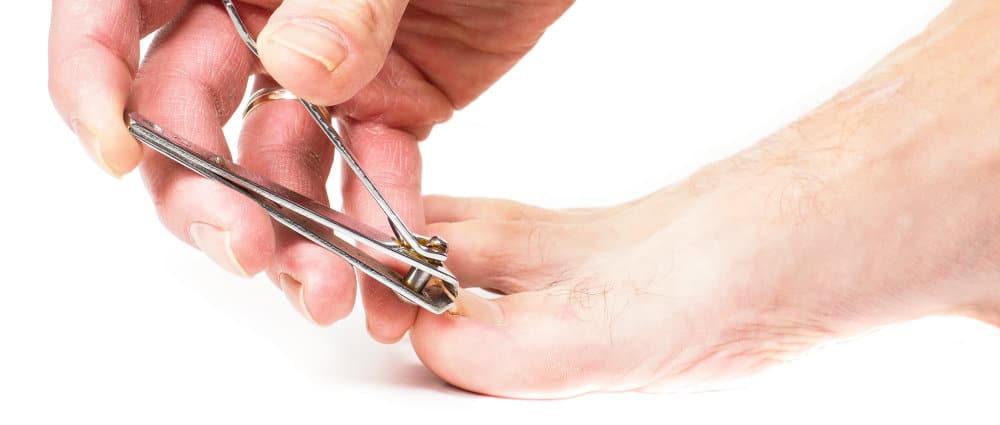
First Step: How Serious Is Your Ingrown Toenail?
Not all ingrown toenails are the same. Some may be relatively mild, and only a little bit sensitive when you bump the toe or put on a particular pair of shoes. Other cases can be extremely painful and highly sensitive to any pressure whatsoever.
Ingrown toenails that aren’t treated quickly enough can even get infected. If your toenails get this bad, you’ll need antibiotics to treat it. If the infection becomes extremely serious and spreads, it becomes a medical emergency that could even lead to amputation.
So the first question you need to ask yourself, before you attempt any treatment, is how serious the problem is.
If your ingrown toenail is very mild and you are otherwise healthy, you may choose to try conservative treatments at home first. A mild ingrown toenail isn’t very painful, and there are no obvious signs of redness or swelling.
If your ingrown toenail is more serious—or you just want to get rid of it as quickly as possible—you should call us and schedule an appointment. Always go straight to a podiatrist in any of the following situations:
- Pain disrupts daily living
- You have diabetes, neuropathy, or any condition that affects nerve and/or circulatory health in the feet.
- You’ve had your ingrown toenails for several days and they are not improving.
- You notice any signs of infection (redness, swelling, warm skin, discoloration, drainage, etc.)
- You have had ingrown toenails multiple times in the past.
Conservative Treatment Options
Conservative home treatments are optional for healthy individuals with mild ingrown toenails. Although this is not the “best” way to fix an ingrown toenail, some people prefer it.
Here is our recommended course of action:
- If you find that a particular pair of shoes is associated with pain, do not wear those shoes. Instead, stick to pairs with wider toe boxes, or open-toed shoes such as sandals until the pain subsides.
- Soak your feet in warm water for about 15 minutes at a time, up to 3 or 4 times per day at most. This will help reduce the swelling and sensitivity—plus it feels good. After soaking, you may attempt to gently lift the nail with a clean piece of waxed dental floss.
- Apply antibiotic cream as a precaution to minimize your chances of getting an infection.
Contrary to popular belief, cutting a V-shaped notch is not an effective countermeasure. You also should never attempt to trim or cut down the nail borders yourself, as this will only make the problem worse.

Partial Ingrown Toenail Removal—The True Best Treatment
In most cases, the best way to deal with an ingrown toenail—by far—is to have it treated at our office. We’ll most likely perform a partial ingrown toenail removal.
This is a short (15 minutes) procedure where we numb the toe and gently remove the portion of the nail border digging into the surrounding skin. Next, if your ingrown toenails are recurring, we’ll also remove some of the nail matrix underneath. This prevents the edge of the nail border from growing back, which mean you shouldn’t get an ingrown toenail there ever again.
We will also prescribe an antibiotic to treat or prevent an infection, if it is necessary to do so.
Although it sounds scary, it really is quite quick, painless, and safe. The pain relief you feel is immediate, and your toe will feel a lot better when the anesthesia wears off.
Better yet, most people are able to wear regular shoes and return to most normal, everyday activities within a day of the procedure. Full healing may take a couple of weeks, but for the most part shouldn’t get in the way of your daily life.
Remember that, no matter who you are, prompt treatment for an ingrown toenail is extremely important. If you let it go too long, it can develop into a really dangerous infection.
If you have a painful ingrown toenail, and conservative care either isn’t working or isn’t advised for your situation, please call our office in Berkeley, CA today at (510) 647-3744. We will get you in and have you walking out pain free as soon as possible.


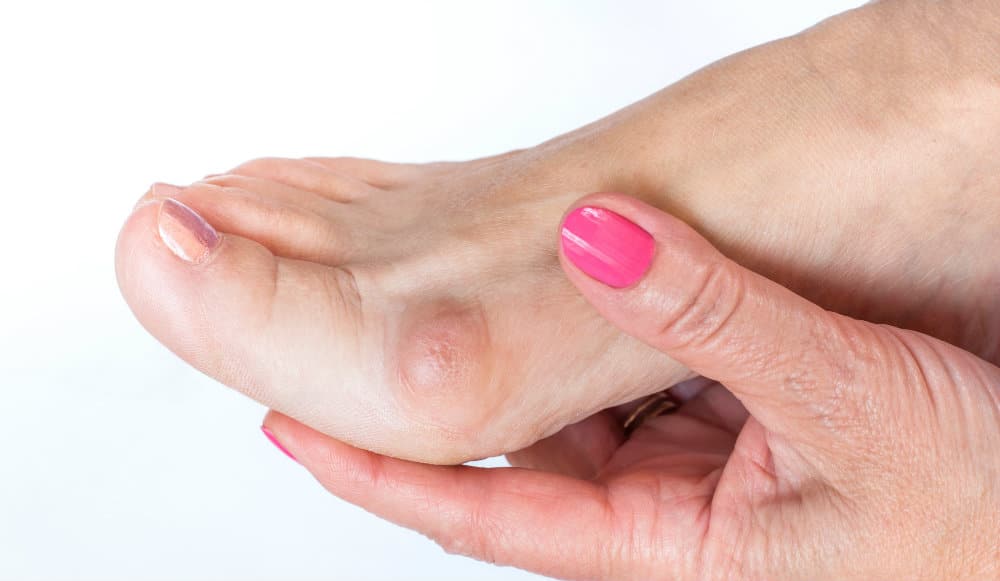









 A proper diet will reduce your risk of foot-affecting problems like gout and diabetes. Getting your heart pumping with exercise can improve circulation down to your lower limbs. And a full night’s sleep allows your body to repair any tissue damage your feet sustain during the day.
 Diabetes is a disease marked by high blood sugar (glucose) levels. Excessive sugar can effectively impair the circulatory, nervous, and immune systems. These respective systems are essential for basically all areas of the body – including your lower limbs.