What Does Athlete’s Foot Look Like? Early Signs, Symptoms, and Treatment
Athlete’s foot is one of the most common causes of a fungal infection on the feet, affecting millions of people each year. While many people associate athlete’s foot with itching between the toes, the condition can appear in several different ways depending on the stage and severity of the infection.
If you’ve noticed red blotches on feet, peeling skin, persistent itching, or unusual dryness, you may be wondering: what does athlete’s foot look like? Understanding the early signs of athlete’s foot can help you seek treatment before the infection spreads or becomes more difficult to manage.
In this guide, we’ll explain what athlete’s foot looks like, what athlete’s foot feels like, common causes, treatment options, and when it’s time to see a podiatrist.
What Is Athlete’s Foot?
Athlete’s foot, medically known as tinea pedis, is a contagious fungal infection that affects the skin of the feet. It develops when fungi thrive in warm, moist environments such as sweaty shoes, locker rooms, public showers, and pool areas.
Although athlete’s foot commonly begins between the toes, it can spread to the soles, sides of the feet, and even other areas of the body if left untreated.
What Does Athlete’s Foot Look Like?
The appearance of athlete’s foot can vary from person to person, but several visual signs are commonly associated with the infection.
Common signs of athlete’s foot include:
- A red, scaly rash
- Peeling or flaking skin
- Cracked skin between the toes
- White, soggy skin in moist areas
- Dry, flaky skin on the soles
- Small blisters filled with fluid
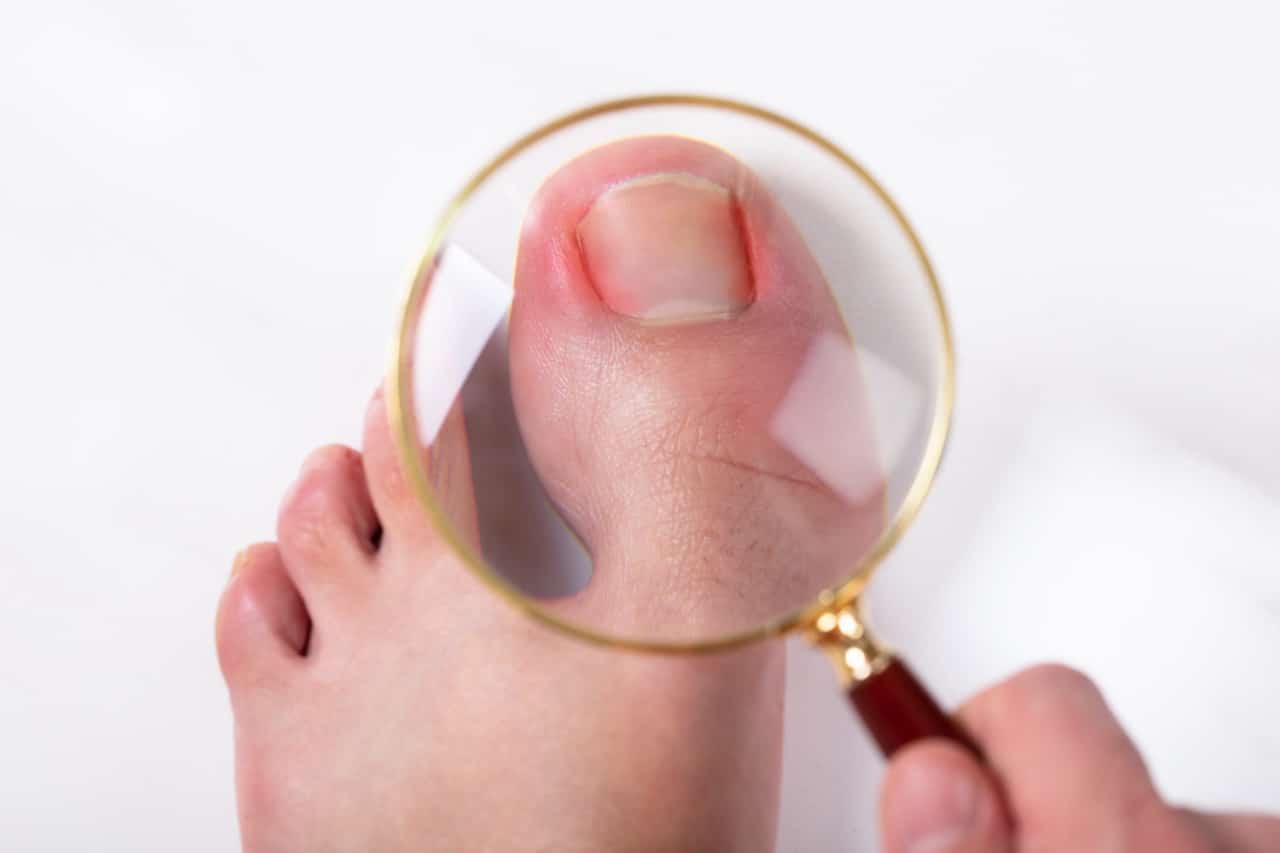
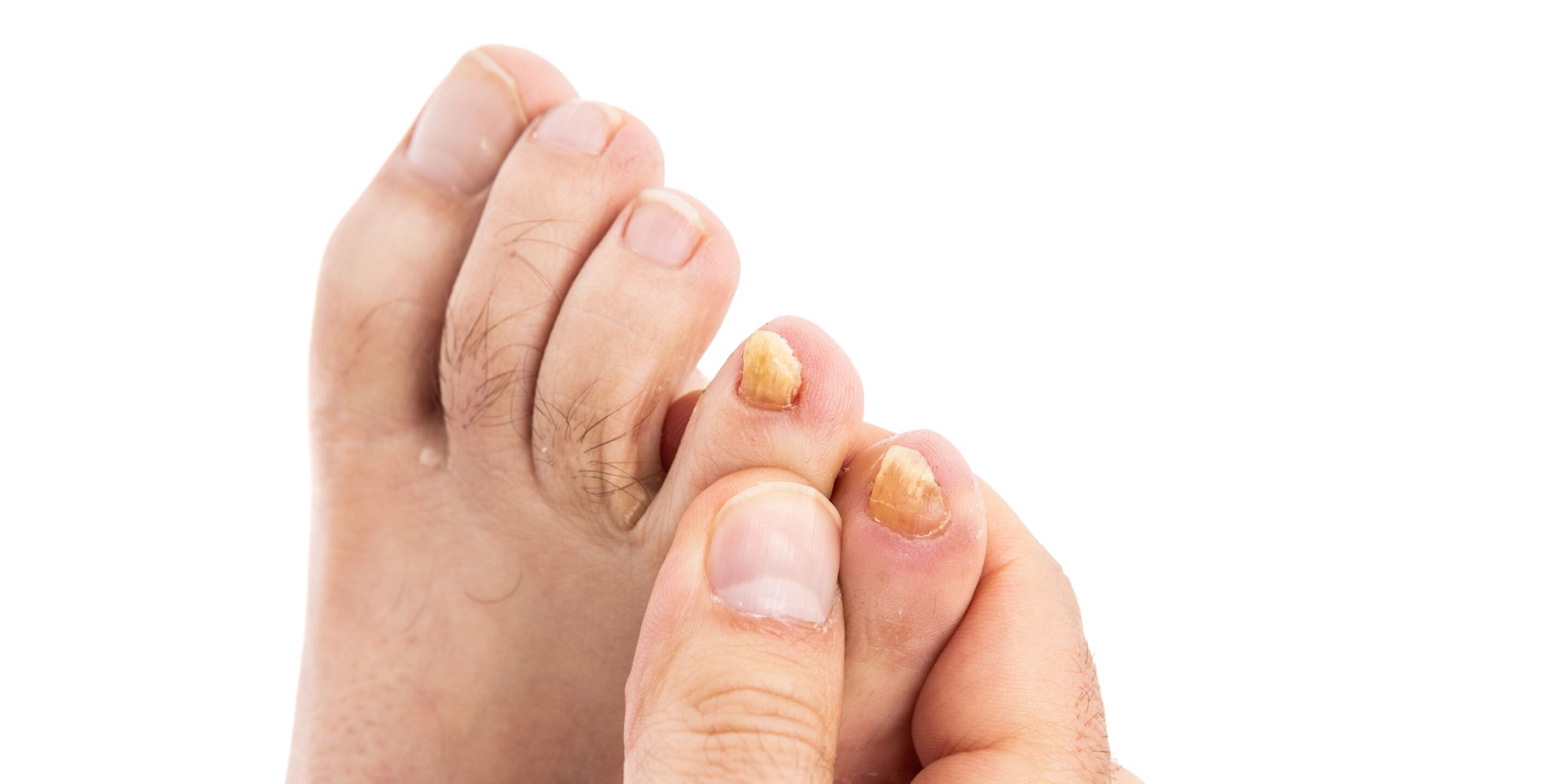
- Inflamed patches that may resemble red blotches on the feet
In many cases, the infection starts between the fourth and fifth toes before spreading to the surrounding skin. As the fungus progresses, symptoms often become more noticeable and uncomfortable.
Some individuals mistake athlete’s foot for simple dry skin, but persistent redness, scaling, and itching are often signs of a fungal infection rather than a cosmetic skin issue.
Early Stage Athlete’s Foot: What to Look For First
Recognising early-stage athlete’s foot can help prevent the infection from worsening.
Early symptoms often include:
- Mild itching between the toes
- Slight redness or irritation
- Small areas of peeling skin
- Dry patches that don’t improve with moisturiser
- Minor burning sensations after exercise or sweating
Because these symptoms may seem insignificant, many people ignore them until the infection spreads. Without treatment, athlete’s foot can lead to painful cracking, inflammation, and secondary bacterial infections.
If you notice persistent irritation between your toes, it’s important to address it early before the fungal infection becomes more established. Over time, symptoms may worsen, leading to increased foot discomfort and complications like painful fissures or secondary bacterial infections.

What Does Athlete’s Foot Feel Like?
Many patients ask not only what athlete’s foot looks like but also what athlete’s foot feels like.
Common sensations include:
- Persistent itching
- Burning or stinging skin
- Tingling between the toes
- Dry, tight-feeling skin
- Tenderness around cracked areas
- Discomfort while walking
As the infection advances, itching and burning may become more intense, especially after wearing shoes for long periods or after physical activity.
Types of Athlete’s Foot (Why It Looks Different)
Not all cases of athlete’s foot look the same. The infection can appear differently depending on the specific type.
Interdigital Athlete’s Foot
This is the most common form of athlete’s foot.
Signs include:
- White, soggy skin between the toes
- Peeling and cracking
- Intense itching
- Foul odor in some cases
The infection typically begins between the fourth and fifth toes and may spread if untreated.
Moccasin-Type Athlete’s Foot
Moccasin athlete’s foot affects the bottoms and sides of the feet.
Symptoms include:
- Thickened skin
- Chronic dryness
- Scaling and flaking
- Cracked heels
- Widespread redness
Because it resembles dry skin or eczema, this form is often overlooked.
Vesicular Athlete’s Foot
This less common form causes:
- Fluid-filled blisters
- Redness and inflammation
- Sudden discomfort
- Increased tenderness
Blisters may develop on the arch, sole, or other areas of the foot and can be particularly painful.
Athlete’s Foot vs. Other Conditions
Several skin conditions can resemble athlete’s foot, making self-diagnosis difficult.
Conditions commonly confused with athlete’s foot include:
- Eczema: Eczema often causes itching, redness, and dryness but is not caused by a fungal infection.
- Psoriasis: Psoriasis may produce thick, scaly patches that can resemble moccasin-type athlete’s foot.
- Contact Dermatitis: Allergic reactions to soaps, detergents, footwear materials, or skin products can create redness and irritation similar to athlete’s foot.
Because these conditions may appear similar, an accurate diagnosis from a podiatrist is important, especially when symptoms fail to improve with over-the-counter treatments.
What Causes Athlete’s Foot?
Athlete’s foot develops when fungi grow in warm, damp environments.
Common causes and risk factors include:
- Sweaty feet
- Wearing tight, non-breathable shoes
- Walking barefoot in locker rooms
- Public showers and pool decks
- Sharing shoes, socks, or towels
- Poor foot hygiene
- Excessive perspiration
Athletes, gym-goers, and individuals who wear enclosed footwear for extended periods are at higher risk of developing athlete’s foot. Remember, athlete’s foot is highly contagious and can spread through direct contact with skin or contaminated surfaces.
Athlete’s Foot Fungus Cure: Treatment Options
Fortunately, most cases of athlete’s foot respond well to treatment when addressed early.
Over-the-Counter Treatments
Mild infections often improve with:
- Antifungal creams
- Antifungal sprays
- Antifungal powders
- Medicated foot washes
Consistent use is essential, even after symptoms begin to improve.
Prescription Treatments
For stubborn or recurring infections, your podiatrist may recommend:
- Prescription-strength topical medications
- Oral antifungal medications
- Combination treatment approaches
It’s important to understand that while symptoms may disappear quickly, the fungal infection itself may still be present. Completing the full treatment course helps prevent recurrence.
When to See a Podiatrist
You should schedule an evaluation if:
- Symptoms persist after one to two weeks of treatment
- The infection continues spreading
- Skin becomes cracked or begins bleeding
- Blisters become severe
- Athlete’s foot repeatedly returns
- You have diabetes or a compromised immune system
Prompt treatment can help prevent complications and ensure a more complete recovery.
How to Prevent Athlete’s Foot
Preventing athlete’s foot starts with maintaining a clean, dry environment for your feet.
Helpful prevention strategies include:
- Wash your feet daily
- Dry thoroughly between the toes
- Change socks regularly
- Wear moisture-wicking socks
- Choose breathable footwear
- Alternate shoes to allow drying time
- Wear sandals in public showers and locker rooms
- Avoid sharing footwear or towels
These simple habits can significantly reduce your risk of developing a fungal infection on your feet.
Get Expert Treatment for Athlete’s Foot
If you’re experiencing itching, redness, peeling skin, or other symptoms of athlete’s foot, professional evaluation can help ensure an accurate diagnosis and effective treatment plan.
Dr Yuko Miyazaki, DPM, provides comprehensive care for athlete’s foot and other common foot conditions. Whether you’re dealing with early-stage athlete’s foot or a persistent fungal infection, timely treatment can help restore your comfort and prevent future complications.
Contact our Berkley office today to schedule an appointment and take the first step toward healthier feet.