Dealing with ingrown toenails that keep coming back can be frustrating, painful, and disruptive to your daily life. What starts as a minor irritation can quickly turn into a recurring issue that affects how you walk, exercise, or even wear shoes comfortably.
In this guide, we’ll break down everything you need to know about recurring ingrown toenails, including their causes, common symptoms, effective prevention strategies, and the best treatment options available. If you’re experiencing repeated ingrown toenails, seeking professional podiatric care is the key to long-term relief and prevention.
What Is an Ingrown Toenail?
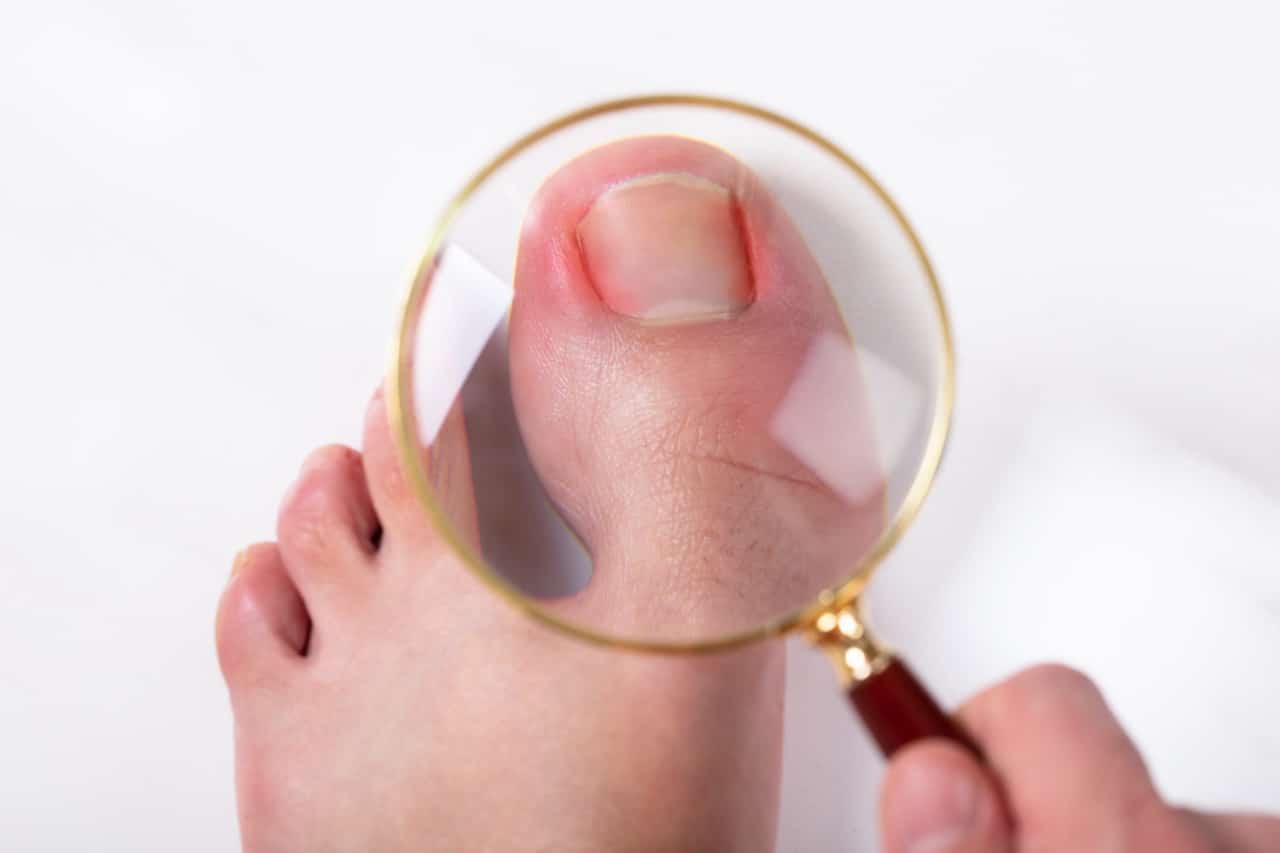
An ingrown toenail occurs when the edge of the nail grows into the surrounding skin instead of over it. This condition most commonly affects the big toe, but it can develop on any toe.
Common Symptoms of an Ingrown Toenail
- Pain or tenderness along the nail edge
- Redness and swelling around the toenail
- Signs of infection, such as pus or drainage
- Difficulty walking or wearing shoes comfortably
If left untreated, an ingrown toenail can worsen over time and lead to infection or chronic discomfort.
Why Do Ingrown Toenails Keep Coming Back?
Recurring ingrown toenails are often caused by repeated pressure, improper care, or underlying structural factors. Understanding these causes is essential to breaking the cycle.
Common Causes of Recurring Ingrown Toenails
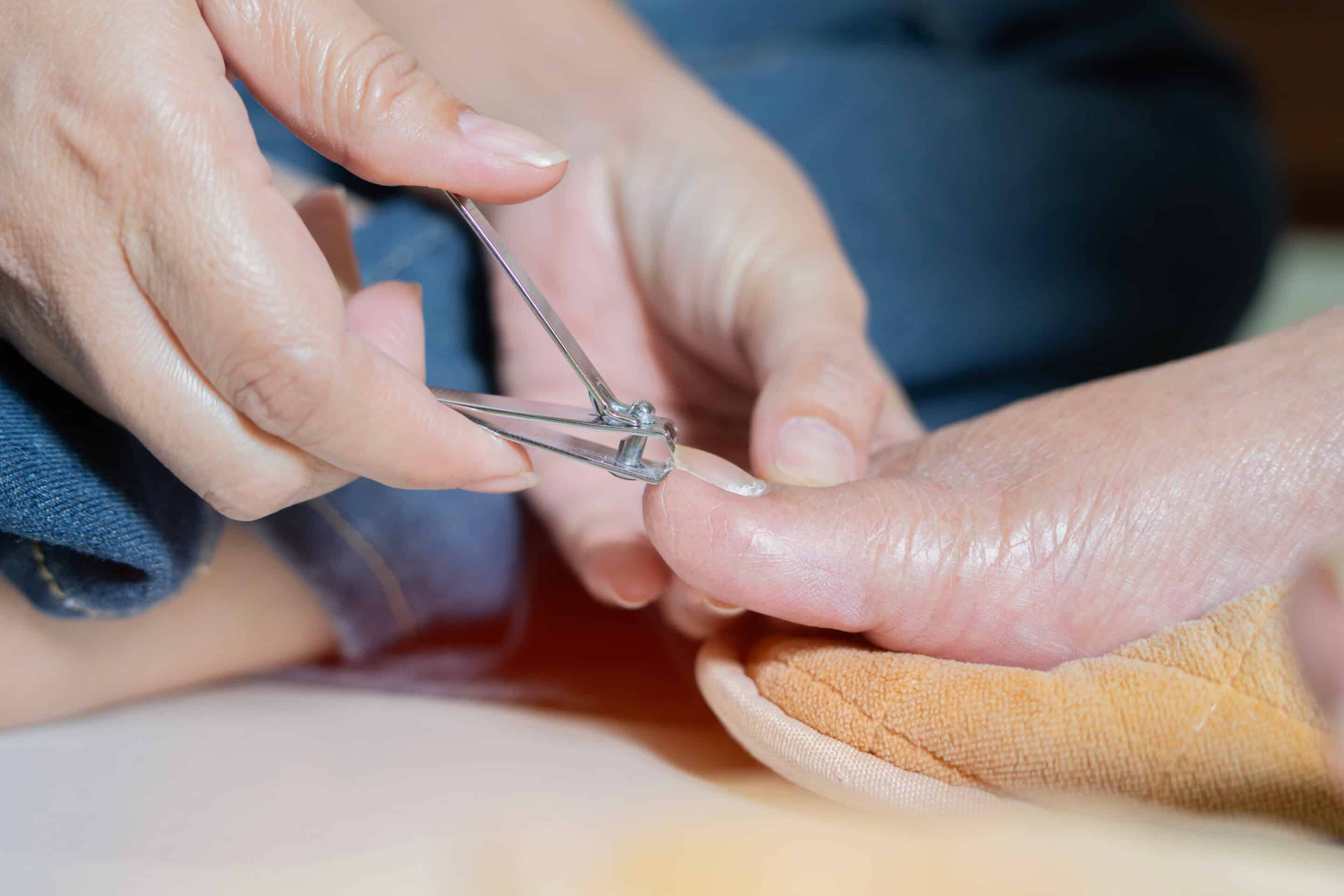
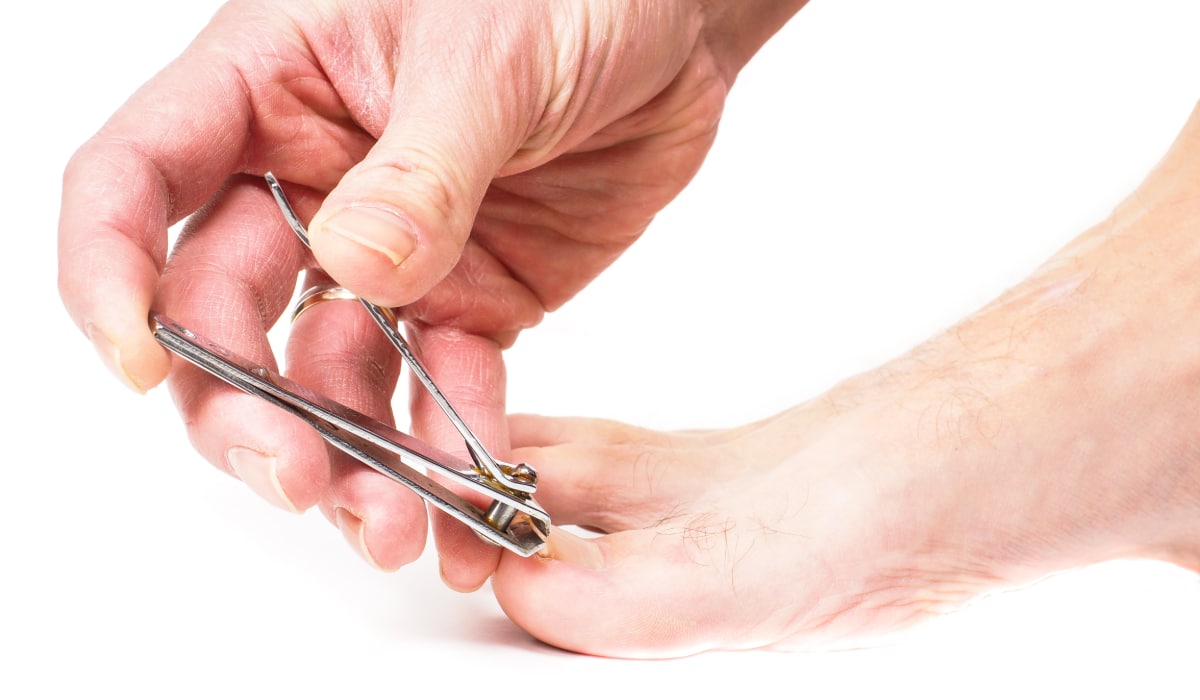
- Improper Nail Trimming – Cutting your nails too short or rounding the edges encourages the nail to grow into the skin instead of straight outward.
- Tight or Narrow Footwear – Shoes that squeeze your toes place constant pressure on the nails, increasing the risk of ingrowth.
- Toe Injuries or Trauma – Stubbing your toe or repeated impact from activities like running can cause abnormal nail growth.
- Genetics and Nail Shape – Some people naturally have curved or fan-shaped nails, making them more prone to ingrown toenails.
Repeated irritation from these factors can worsen inflammation and make the condition more likely to return over time.
How to Prevent Ingrown Toenails
Preventing ingrown toenails starts with proper foot care and daily habits.
Simple Prevention Tips
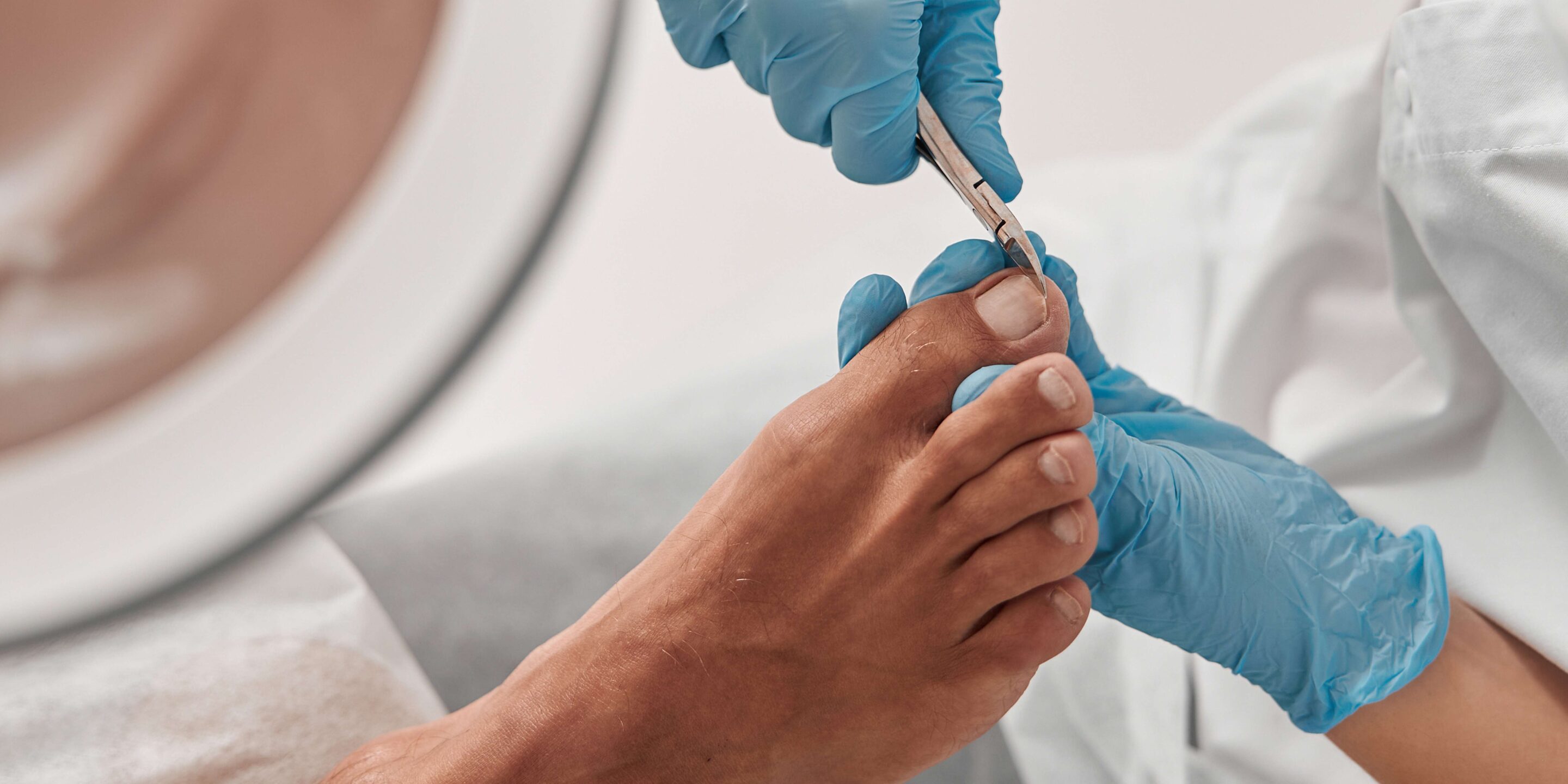
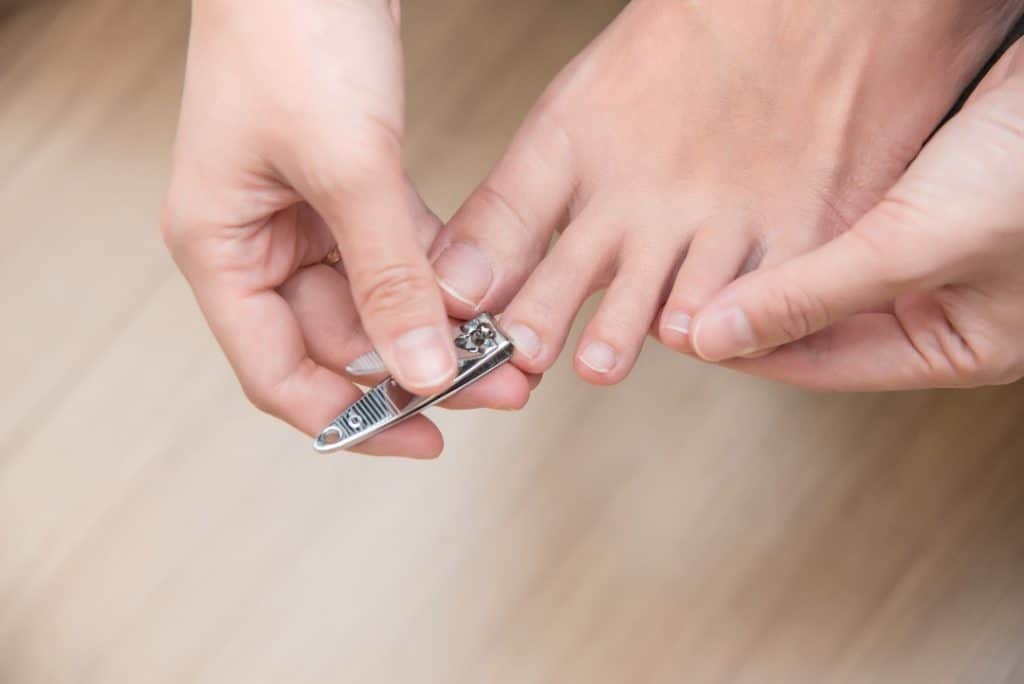
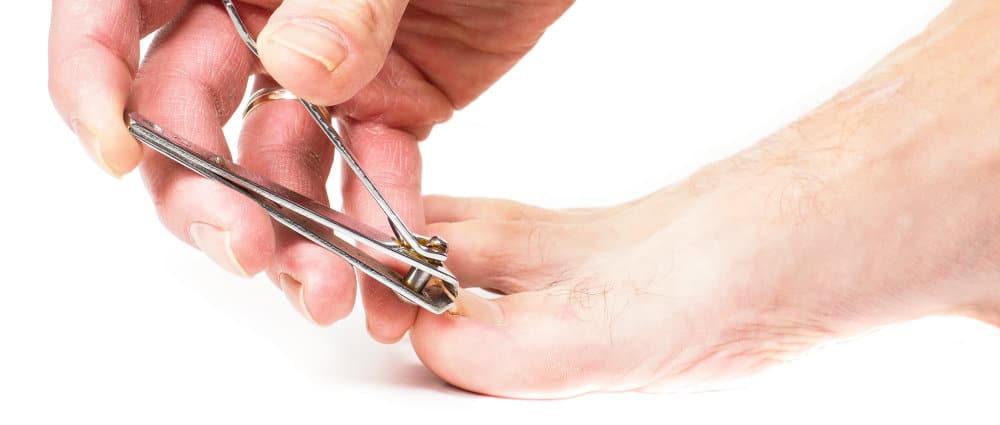
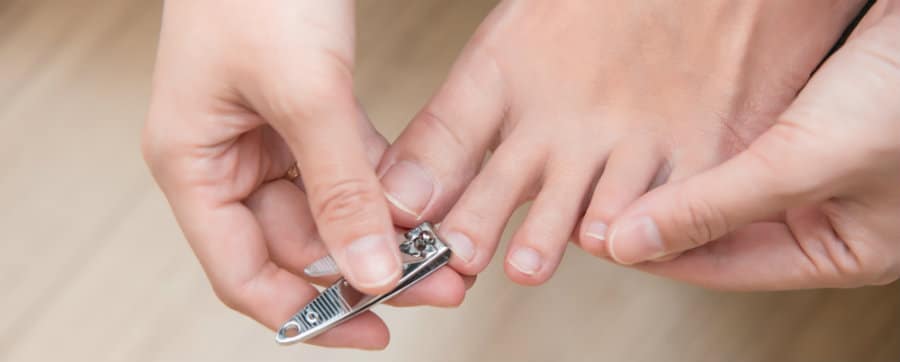
- Trim Nails Correctly – Cut your toenails straight across and avoid trimming them too short.
- Wear Proper Footwear – Choose shoes with a wide toe box to reduce pressure on your toes.
- Maintain Good Foot Hygiene – Keep your feet clean, dry, and moisturized to prevent skin irritation.
- Protect Your Feet – Wear protective footwear during sports or physically demanding activities to avoid injuries.
Consistent preventive care can significantly reduce your risk of recurrence.
Treatment Options for Recurring Ingrown Toenails
If ingrown toenails keep coming back, at-home care may not be enough. Professional treatment offers long-term relief and prevents complications.
Common Podiatric Treatments
- Partial Nail Removal – A portion of the ingrown nail is removed to relieve pressure and allow proper healing.
- Permanent Nail Correction – A chemical or laser procedure may be used to prevent the problematic part of the nail from growing back.
- Infection Treatment – Antibiotics or antifungal medications may be prescribed if an infection is present.
- Personalized Prevention Plans – Your podiatrist may recommend proper trimming techniques, footwear adjustments, or custom orthotics to reduce pressure on the toes.
These treatments are safe, effective, and tailored to your specific condition.
When to See a Podiatrist
You should seek professional care if you notice:
- Recurring ingrown toenails
- Signs of infection, such as redness, swelling, or drainage
- Severe or worsening pain
- Difficulty walking or wearing shoes
Early treatment can prevent complications and help you avoid chronic issues.
Take Control of Recurring Ingrown Toenails
Recurring ingrown toenails don’t have to control your life. With the right combination of proper care, prevention strategies, and professional treatment, you can break the cycle and keep your feet healthy.
If you’re struggling with persistent ingrown toenails, don’t wait for the problem to worsen.
Schedule an appointment today and take the first step toward pain-free, healthy feet.