Fungal toenails, also known medically as onychomycosis, are a common condition that affects millions of people. While they may start as a small cosmetic concern, they can gradually become thicker, discolored, and difficult to manage. Beyond the physical symptoms, fungal toenails can also take an emotional toll, affecting self-confidence and comfort in sandals or barefoot settings.
Seeking timely care is important. Early treatment can prevent the infection from spreading, worsening, or affecting other nails. With proper guidance and treatment, fungal toenails are manageable—and often completely treatable.
What Causes Fungal Toenails?
Fungal toenail infections are caused by microscopic organisms, including:
- Fungi
- Molds
- Yeasts
- Most commonly, dermatophytes
These organisms thrive in warm, dark, and damp environments—making shoes and socks an ideal breeding ground.
How Infections Begin
Fungal infections often begin when tiny cracks or cuts in the nail or surrounding skin allow organisms to enter. Even minor trauma, like stubbing your toe or aggressive trimming, can create an entry point.
Once inside, fungi feed on keratin, the protein that makes up your nails. Over time, this leads to visible nail changes.
Common Risk Factors
Certain factors increase your likelihood of developing fungal toenails:
- Sweaty feet or excessive moisture
- Walking barefoot in public pools, gyms, or locker rooms
- Wearing tight, non-breathable shoes
- Having diabetes
- A weakened immune system
- History of athlete’s foot
If you regularly expose your feet to damp environments, your risk is significantly higher.
Common Symptoms to Watch For
Fungal toenails can develop gradually. Recognizing the early signs can make a big difference in treatment success.
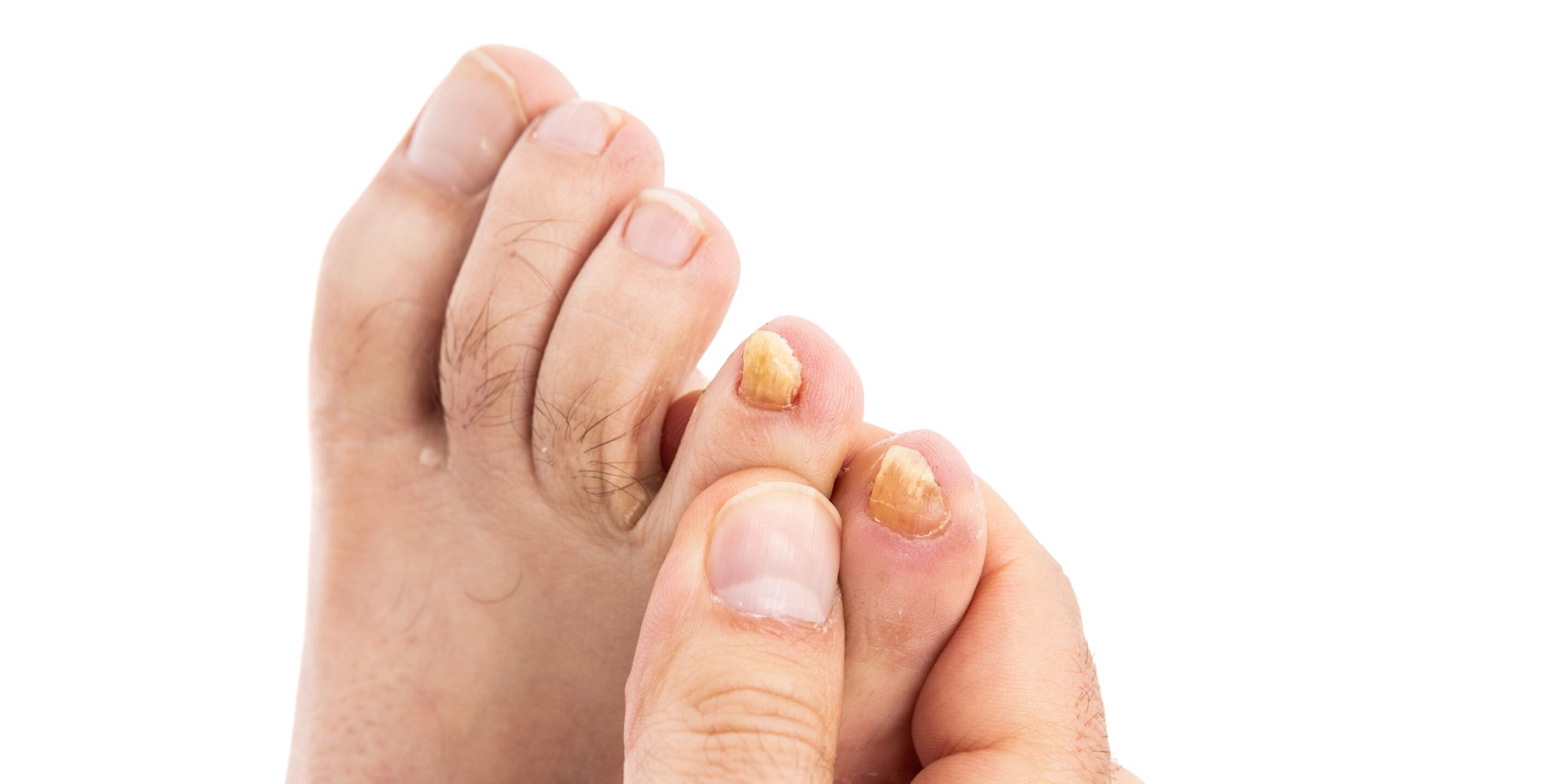
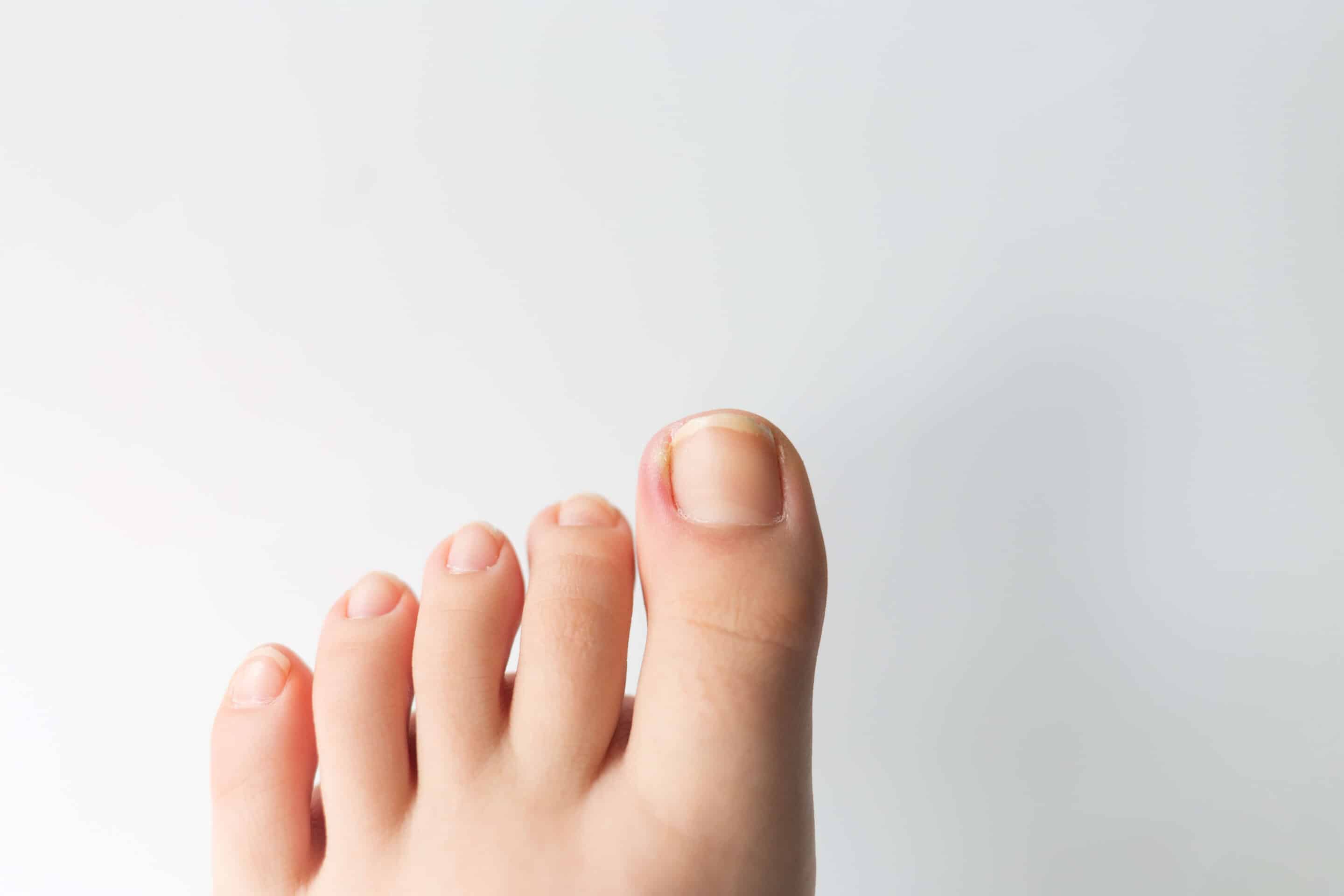
Nail Discoloration
One of the earliest signs is a change in nail color. Nails may turn:
- Yellow
- Brown
- White
- Cloudy or opaque
Thickened, Brittle, or Crumbly Nails
As the infection progresses, nails may become:
- Noticeably thicker
- Brittle and prone to cracking
- Crumbly at the edges
Foul Odor
Some infections produce an unpleasant smell due to debris buildup and bacterial involvement.
Debris Under the Nail
You may notice white or yellowish material accumulating beneath the nail plate.
Nail Separation (Advanced Cases)
In more severe cases, the nail may lift or separate from the nail bed (onycholysis), causing discomfort and increasing the risk of secondary infection.
Home Care and Early Management
For mild cases caught early, home treatment may be effective.
Over-the-Counter (OTC) Options
- Antifungal creams
- Sprays
- Medicated nail lacquers
Consistency is key. These treatments must be applied daily and often require several months of use.
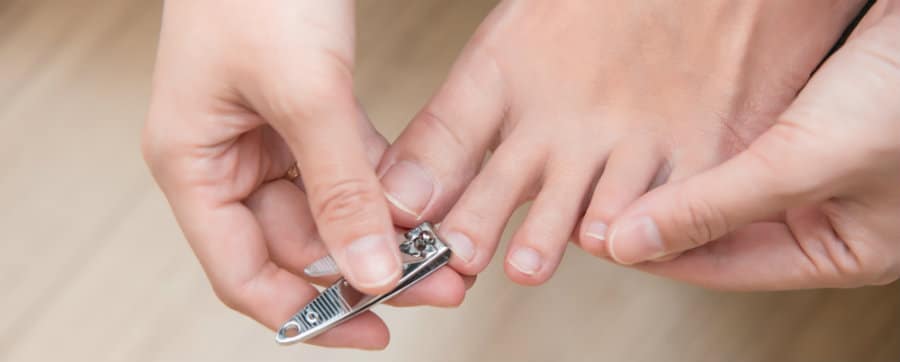
Proper Nail Care
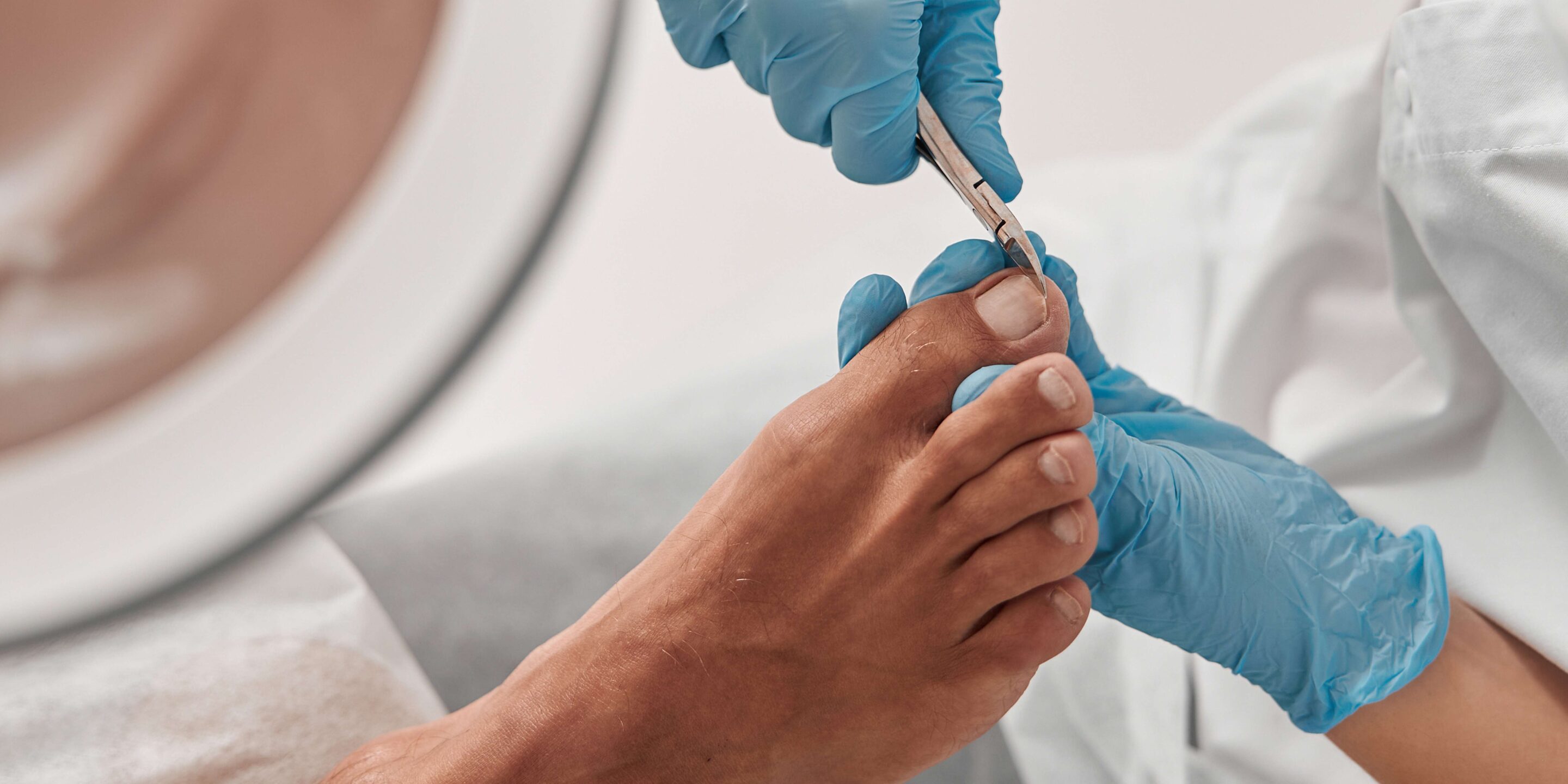
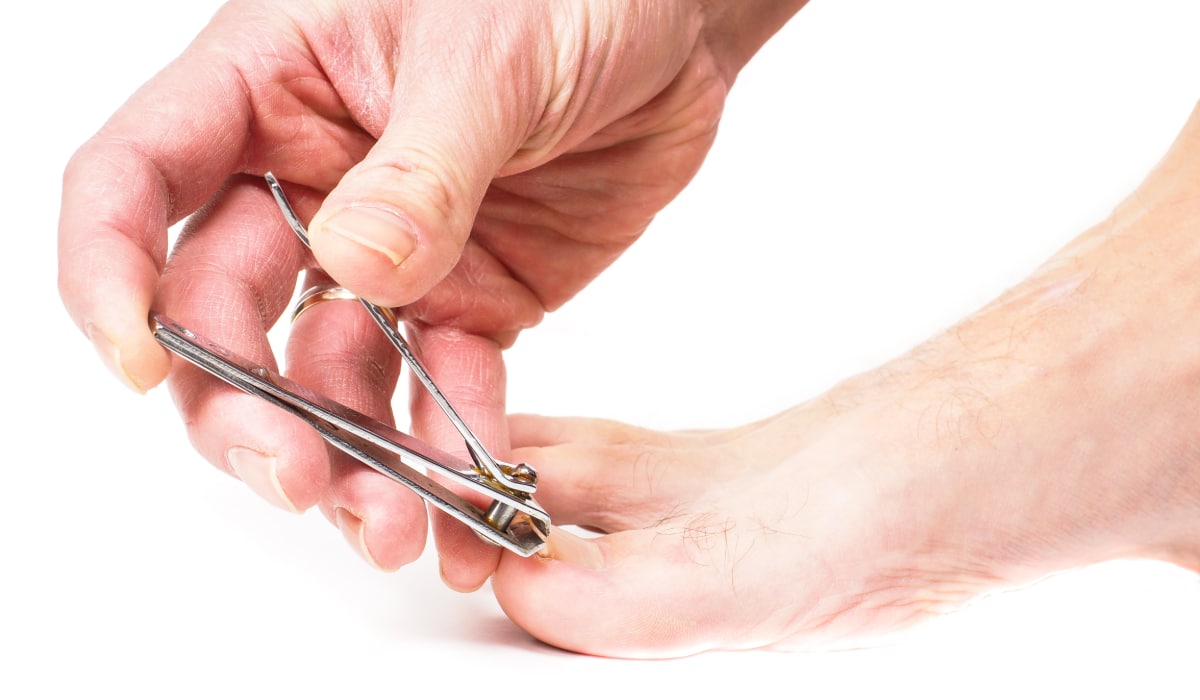
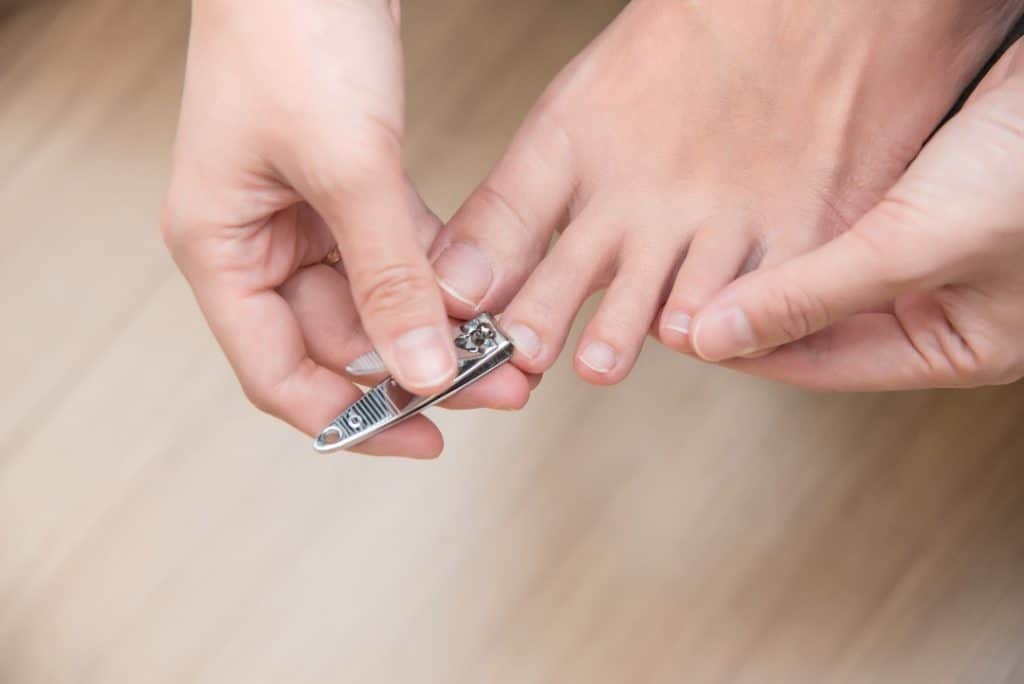
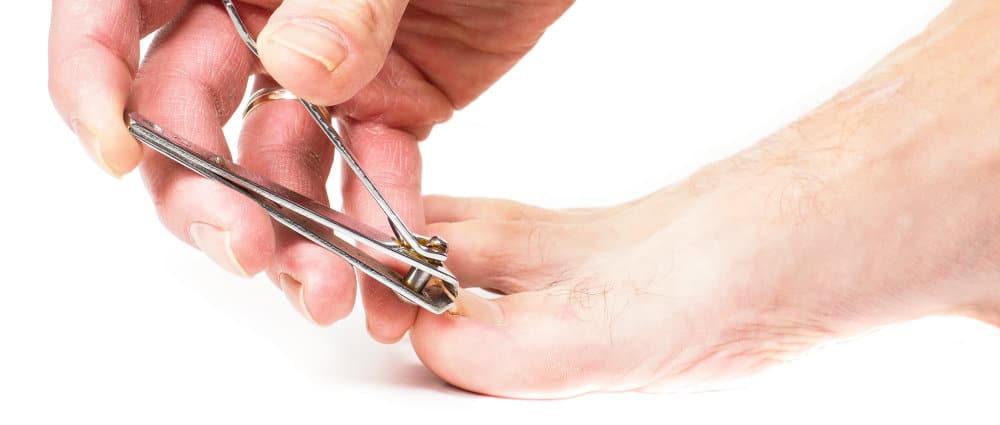
- Trim nails straight across
- Keep nails short
- Gently thin thickened nails to improve medication absorption
- Disinfect nail clippers after each use
When Home Care May Be Enough
If the infection affects only a small portion of one nail and symptoms are mild, consistent OTC treatment may resolve the issue. However, if you see no improvement after several months, professional care is recommended.
Professional Treatment Options
When fungal toenails persist or worsen, professional evaluation becomes essential.
Topical Prescription Medications
Stronger antifungal solutions or medicated lacquers may be prescribed. These penetrate deeper than OTC products.
Oral Antifungal Medications
Oral antifungals work through the bloodstream to attack the infection from within. They are often more effective for severe cases but may have potential side effects and require monitoring.
Combination Therapy
Some stubborn infections respond best to a combination of oral and topical treatments.
When to Seek Podiatric Care
You should schedule an evaluation if:
- The infection spreads to multiple nails
- Pain develops
- The nail begins separating
- You have diabetes or circulation issues
- Home treatments fail after several months
Early professional care can shorten recovery time and prevent complications.
Prevention Strategies
Preventing fungal toenails is often easier than treating them.
Daily Hygiene
- Wash feet daily with soap and water
- Dry thoroughly, especially between the toes
- Keep nails clean and trimmed
Smart Footwear Choices
- Wear breathable shoes
- Choose moisture-wicking socks
- Alternate shoes to allow them to dry completely
- Opt for open-toed footwear when appropriate
Protective Habits
- Change damp socks promptly
- Wear shower shoes in locker rooms and public pools
- Avoid sharing nail tools
Small daily habits can significantly reduce your risk.
Emotional Impact of Fungal Toenails
Fungal toenails are more than a cosmetic issue. Many patients report:
- Embarrassment wearing sandals
- Avoiding barefoot activities
- Feeling self-conscious in social situations
It’s important to remember that fungal toenails are extremely common—and treatable. You’re not alone, and effective solutions are available.
Taking the First Step
If home remedies aren’t working, seeking professional care is the next step toward healthier nails.
Dr. Yuko Miyazaki provides personalized evaluations to determine the severity of your infection and recommend the most effective treatment plan for your specific needs. Every case is different, and a tailored approach improves outcomes.
If you’ve been hiding your toenails or struggling with recurring infections, now is the time to take action.
Don’t Ignore an Fungal Toenail—Get the Right Treatment Today!
Fungal toenails are common, but they don’t have to be permanent. With early detection, proper treatment, and preventive habits, you can restore both nail health and confidence.
If you’re experiencing symptoms of fungal toenails, schedule an appointment with us today. Early care makes all the difference—healthy, clear nails start with the right treatment plan.





 With all the fun activities to do around Berkeley—such as hiking the trails at Tilden Regional Park or wandering through the beauties of UC Botanical Garden—you want to make sure your feet are up to the task. Nothing dampens your enthusiasm for walking or hiking like the pain of